
Picton Psychology
Understand Trauma And Learn Practical Ways To Feel Safer, More Grounded, And More In Control
100% Bulk Billed
No Out Of Pocket Expenses
Multiple Dates Available

Lisa Arnold, Clinical Psychologist & Director
Carefully developed by Lisa Arnold using over 25+ years of clinical experience and evidence-based psychological approaches.
Understanding Trauma
The Reality of Trauma
Trauma can affect the way the brain, body, and nervous system respond long after the event itself has passed. When a person experiences something distressing, overwhelming, or unsafe, the nervous system automatically shifts into survival mode to help protect them. For many people, the nervous system can remain stuck in this heightened state of alertness long after the danger has passed.
Over time, trauma can begin impacting emotions, thoughts, relationships, sleep, concentration, sense of safety, confidence, and overall day-to-day functioning. Many people describe feeling constantly on edge, emotionally overwhelmed, hypervigilant, disconnected, emotionally reactive, shut down, or unsure why they are responding the way they are in everyday situations.
Trauma may develop following a single distressing event or through ongoing experiences of stress, fear, instability, interpersonal difficulties, loss, medical experiences, workplace exposure, neglect, or repeated distressing situations. Everyone experiences trauma differently, and there is no “right” or “wrong” way for trauma symptoms to appear.
Many trauma symptoms develop automatically as the brain and nervous system attempt to keep a person safe from perceived danger or threat. These responses are not signs of weakness or failure, they are protective survival responses developed by the nervous system.
Trauma can affect the way the brain, body, and nervous system respond long after the event itself has passed. When a person experiences something distressing, overwhelming, or unsafe, the nervous system automatically shifts into survival mode to help protect them. For many people, the nervous system can remain stuck in this heightened state of alertness long after the danger has passed.
Over time, trauma can begin impacting emotions, thoughts, relationships, sleep, concentration, sense of safety, confidence, and overall day-to-day functioning.
Read More
Many people describe feeling constantly on edge, emotionally overwhelmed, hypervigilant, disconnected, emotionally reactive, shut down, or unsure why they are responding the way they are in everyday situations.
Trauma may develop following a single distressing event or through ongoing experiences of stress, fear, instability, interpersonal difficulties, loss, medical experiences, workplace exposure, neglect, or repeated distressing situations. Everyone experiences trauma differently, and there is no “right” or “wrong” way for trauma symptoms to appear.
Many trauma symptoms develop automatically as the brain and nervous system attempt to keep a person safe from perceived danger or threat. These responses are not signs of weakness or failure, they are protective survival responses developed by the nervous system.
Common experiences associated with trauma can include:
Feeling constantly on edge or hypervigilant
Emotional overwhelm or difficulty regulating emotions
Feeling disconnected, numb, or emotionally shut down
Avoidance of situations, places, people, or memories
This workshop is designed to help you better understand how trauma can affect the brain, nervous system, emotions, behaviours, and physical symptoms, while learning practical tools and strategies to support grounding, emotional regulation, nervous system regulation, safety, confidence, and long-term wellbeing.
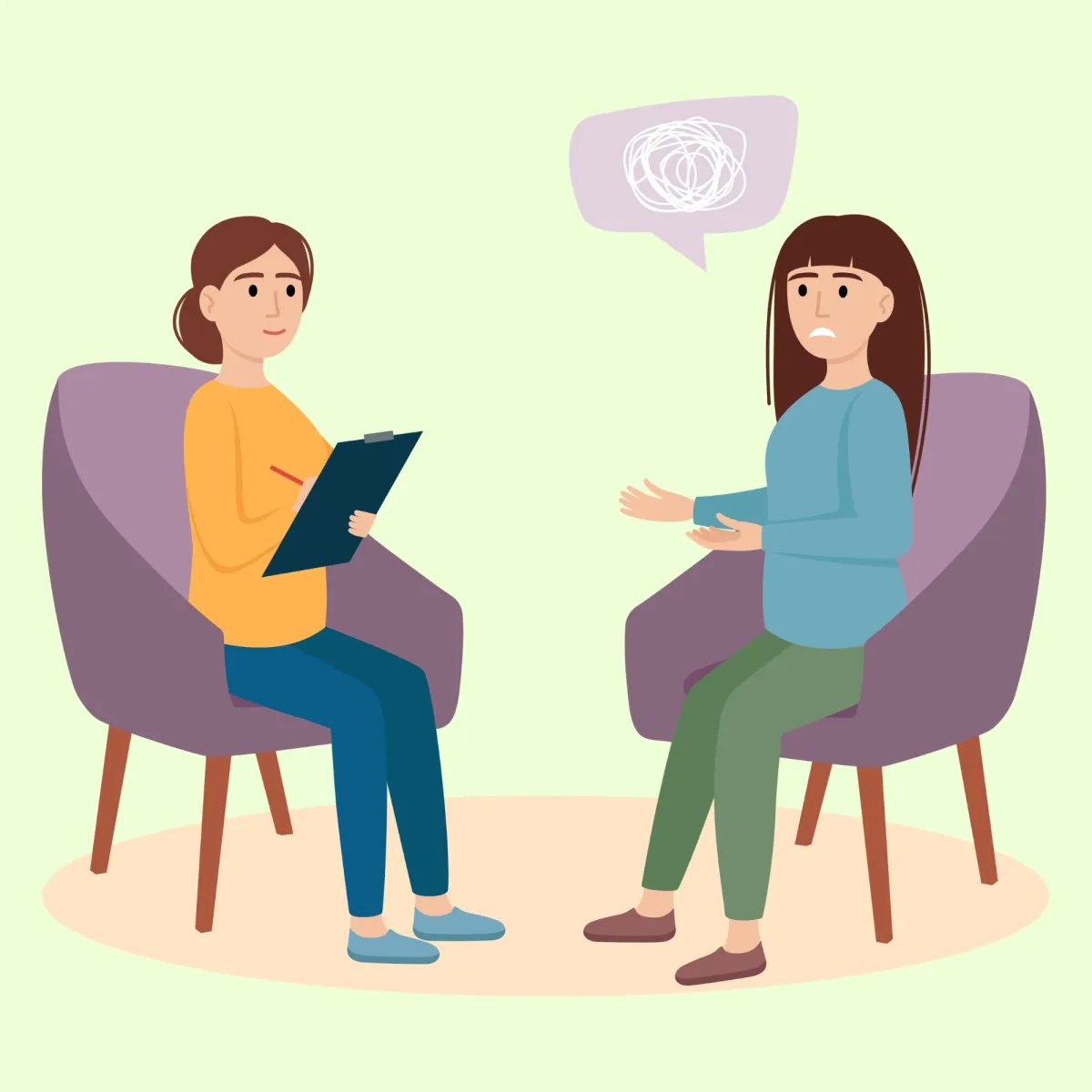
Understanding Trauma Responses
Nervous System Responses to Trauma
Reframing Symptoms of Trauma

Building Grounding & Regulation Skills
100% Bulk Billed Through Medicare
No Out-Of-Pocket Costs
These workshops are 100% bulk billed through Medicare with a valid Mental Health Treatment Plan (MHTP), meaning there are no out-of-pocket costs.
A Mental Health Treatment Plan can be arranged through your GP. If you already have a current and valid plan in place, there is no need to obtain a new referral.
Under Medicare, you can access up to 10 individual therapy sessions + 10 group therapy sessions each calendar year.
Importantly, attending a workshop does not reduce your access to individual therapy sessions.
About The Workshop
Understanding Trauma is a one-day, skills-based workshop designed to help you better understand trauma responses and the impact trauma can have on the brain, nervous system, emotions, behaviours, physical symptoms, and everyday functioning.
The workshop combines evidence-based psychoeducation with practical tools and strategies to help you better understand why trauma responses occur, how the body responds to perceived danger and threat, and why trauma symptoms can continue long after the traumatic experience itself has passed.
Throughout the workshop, you will explore concepts relating to survival responses, emotional regulation, grounding, stabilisation, stress activation, and the connection between thoughts, emotions, behaviours, and physical symptoms. The workshop also incorporates practical coping strategies, mindfulness, behavioural approaches, and nervous system regulation strategies to support recovery, safety, and emotional wellbeing.
You will be guided through teaching, reflections, and evidence-based strategies designed to support greater self-awareness, grounding, emotional regulation, confidence, and day-to-day coping.
The workshop has been carefully designed to provide a safe, structured, and supportive environment, with absolutely no pressure to share personal experiences unless you feel comfortable doing so.
Who This Is For?
This workshop may be particularly helpful for people who are experiencing:
Feelings of constantly being on edge, hypervigilant, or emotionally overwhelmed
Feeling disconnected, emotionally numb, shut down, or unsafe
Avoidance of situations, people, memories, or emotions linked to traumatic experiences
A desire to better understand trauma responses and learn practical coping strategies
Understanding Trauma
What You Will Learn
What trauma is and how trauma responses can develop
How trauma can impact the way you think, feel, and respond to situations
The neuroanatomy of trauma and how trauma can affect the brain, nervous system, emotions, and behaviours
Greater understanding of trauma triggers, stress responses, hypervigilance, avoidance, and emotional shutdown
Understanding survival responses and practical ways to help regulate the nervous system
Expected Outcomes
By the end of the Understanding Trauma Workshop, you’ll be equipped to:
Better understand your personal trauma responses and why they occur
Recognise trauma triggers, stress responses, and early warning signs of overwhelm
Feel more informed and reassured about how trauma can impact emotions, behaviours, relationships, and everyday life
Know how to use practical tools and strategies to help you feel calmer, safer, more grounded, and emotionally balanced
Leave with practical coping tools and strategies to support ongoing recovery, emotional wellbeing, and day-to-day coping
Meet Lisa Arnold
Director / Clinical Psychologist
Lisa Arnold has over 25+ years of clinical experience supporting individuals experiencing trauma, anxiety, chronic stress, burnout, and complex mental health presentations.
Lisa developed the Understanding Trauma Workshop following many years of supporting individuals experiencing chronic and complex trauma presentations, including first responders such as police officers and paramedics, as well as survivors of chronic abuse and interpersonal trauma.
Through her extensive clinical experience, Lisa understands that trauma can leave people feeling emotionally overwhelmed, hypervigilant, disconnected, unsafe, or unsure why they continue reacting the way they do long after the traumatic experience has passed.
Known for her warm, practical, and down-to-earth approach, Lisa is passionate about helping people better understand trauma responses and the impact trauma can have on the brain, nervous system, emotions, relationships, and overall wellbeing. Lisa strongly believes that understanding the “why” behind trauma responses can help reduce shame, self-blame, confusion, and emotional overwhelm.
Lisa focuses on providing practical psychoeducation, emotional support, and realistic tools that can be applied in everyday life to help you feel calmer, safer, more grounded, and emotionally balanced.
She understands that trauma affects everyone differently and is committed to creating a supportive, structured, and non-judgemental environment where everyone feels safe, respected, and supported throughout their healing journey.
Lisa Arnold has over 25+ years of clinical experience supporting individuals experiencing trauma, anxiety, chronic stress, burnout, and complex mental health presentations.
Lisa developed the Understanding Trauma Workshop following many years of supporting individuals experiencing chronic and complex trauma presentations, including first responders such as police officers and paramedics, as well as survivors of chronic abuse and interpersonal trauma.
Read More
Through her extensive clinical experience, Lisa understands that trauma can leave people feeling emotionally overwhelmed, hypervigilant, disconnected, unsafe, or unsure why they continue reacting the way they do long after the traumatic experience has passed.
Known for her warm, practical, and down-to-earth approach, Lisa is passionate about helping people better understand trauma responses and the impact trauma can have on the brain, nervous system, emotions, relationships, and overall wellbeing. Lisa strongly believes that understanding the “why” behind trauma responses can help reduce shame, self-blame, confusion, and emotional overwhelm.
Lisa focuses on providing practical psychoeducation, emotional support, and realistic tools that can be applied in everyday life to help you feel calmer, safer, more grounded, and emotionally balanced.
She understands that trauma affects everyone differently and is committed to creating a supportive, structured, and non-judgemental environment where everyone feels safe, respected, and supported throughout their healing journey.
Understanding Trauma Workshop
If you feel this workshop may benefit you, we understand that reaching out or trying something new can sometimes feel overwhelming.
Our friendly team at Picton Psychology are more than happy to answer any questions you may have and provide further information about workshop dates, suitability, and the next steps for joining the program.
Lisa looks forward to meeting you and supporting you in a safe and structured environment, where you can learn practical tools and strategies at a pace that feels comfortable for you.
Frequently Asked Questions
When you have a question, chances are someone else has too. Here are the answers to the most common questions about our workshops.
Do I have to talk about my trauma?
No. There is absolutely no pressure to talk about or share personal details of your experience. We understand this can feel overwhelming for many people, which is why the workshop has been carefully designed to feel safe, structured, and supportive. You’re welcome to participate at a pace that feels comfortable for you. Some people like to contribute to discussions, while others prefer to sit back, listen, and take in the information, both are completely okay.
Is this a replacement for individual therapy?
No. The workshop is designed to provide psychoeducation, practical tools, and coping strategies to help you better understand trauma and how it may be impacting you. Many people find the workshop complements their individual therapy by helping reinforce skills and understanding between sessions, however it is not intended to replace personalised psychological treatment.
Who leads the workshop?
Lisa Arnold, Director and Clinical Psychologist at Picton Psychology, facilitates the workshop. Lisa has over 25 years of clinical experience supporting individuals with complex trauma, anxiety, stress, and complex mental health presentations.
Is the workshop online or in person?
The workshop is facilitated in person at Picton Psychology in a small, supportive group setting.
We intentionally keep our groups face-to-face, as many people find this creates a more comfortable, connected, and supportive environment for learning and skill-building.
Our workshops are also fully bulk billed through Medicare, and current Medicare guidelines for group programs delivered via telehealth are limited to specific rural and remote locations.
What if I can’t attend the workshop? Will there be a cancellation fee?
We understand that unexpected things can happen, and if you’re unable to attend, we ask for at least 7 days’ notice where possible.
Our workshops are intentionally kept small to provide a supportive environment, and Medicare group programs are required to meet specific attendance and billing requirements. Because your place is reserved specifically for you, late cancellations can impact the viability of the workshop for others.
For this reason, cancellations made within 7 days of the workshop may still be billed in line with Medicare group therapy guidelines and the consent form provided during onboarding.
If something unexpected arises, please contact us as soon as possible so we can discuss your situation and support you where we can.
How do I know whether the workshop or individual therapy is the best fit for me?
Our workshops are designed to provide psychoeducation, practical coping strategies, and a supportive environment to help you better understand your symptoms and learn tools that can be applied in everyday life. Many people find workshops helpful as a starting point, alongside individual therapy, or as additional support between sessions.
Individual therapy may be more suitable if you are looking for personalised support, ongoing treatment, or a space to explore your experiences in greater depth with a psychologist.
Some people choose to attend both the workshop and individual therapy, while others begin with the workshop to build understanding and practical skills before deciding whether they would benefit from further individual support.
If you are unsure which option may be the best fit for you, our friendly team are more than happy to discuss this with you and help guide you towards the most appropriate support option for your needs.
© Copyright 2026 Picton Psychology-All rights reserved.